




Harmful Ingredients to Avoid in Pet Toothpastes
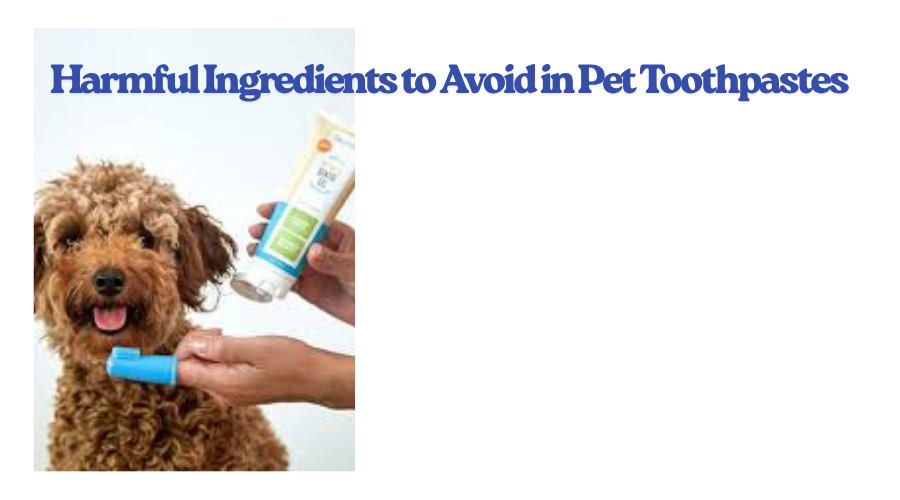
Many pet owners like to keep their pets clean with scheduled body and oral care. They use products like anti-plaque toys, brushes, and even toothpastes to keep the pets safe. Although pets don’t need oral care since they have a high metabolism to fight oral bacteria, some pet owners prefer to use toothpastes suitable for pets. The only reason they use those pet toothpastes is they do not want bad breath and bacteria in their pets’ mouths.
Some pets may get infections, which could lead to lethal outcomes. These are rare cases, and veterinarians prescribe oral products to treat them. However, some pet toothpastes contain harmful ingredients that could be lethal for pets. Pet owners and even retailers must be careful when purchasing pet toothpastes. So, here is a list of toxic ingredients for pets, and everyone can avoid them with the help of this list.
Fluoride
We all have heard about the use of fluoride in toothpaste for the fast removal of plaque. Do they really benefit in that way? Well, fluoride is neither safe for humans nor animals. When buying pet toothpastes, you must ensure they don’t contain fluoride. It can demineralize tooth enamel, whether it is for pets or humans. Since pets can’t spit, they will probably swallow fluoride. Pets can’t gargle their mouths to wash away the remaining fluoride left by the toothpaste in their mouths. Fluoride can leave spots on teeth since it demineralizes them.
How Toxic is Fluoride to Pets?
If pets swallow the toothpaste, it can cause diarrhea, seizures, and vomiting. Fluoride can also cause gastrointestinal distress and the risk of skeletal fluorosis, which could be fatal if high quantities are swallowed by pets. Pet owners should avoid pet toothpastes that contain fluoride.
SLS (Sodium Lauryl Sulfate)
Then the second ingredient you should avoid is SLS. It is sodium lauryl sulfate, which is a foaming agent. Many products contain it, and it is common in toothpastes. Since pets don’t know how to spit, they will probably swallow it. Once SLS enters the stomach, it will cause distress in the gastrointestinal system. Since humans can gargle their mouths to get rid of SLS, pets can’t do the same. So, you must ensure this chemical is not in the toothpaste you select for your cat or dog.
Xylitol
Many products contain xylitol since it is an artificial sweetener. It might be safe at some level for humans, but not for pets. Pets have different sensitivity levels in their bodies, and xylitol can trigger some reactions in their bodies. It is a toxic ingredient when it comes to pet products like toothpastes.
How Quickly Does Xylitol Affect Dogs?
It can lead to fast insulin release and a drop in blood sugar level. This is the side effect of xylitol on pets. A pet may vomit around 30 or 60 minutes after swallowing the toothpaste. When the blood sugar level drops because of xylitol, your pet may experience lethargy and worse conditions. Even seizures could strike because the internal organs may fail to deal with xylitol. You need to run towards a veterinarian for immediate help.
Artificial Flavors and Coloring
Usually, artificial flavors and colors in toothpastes are not harmful, but you never know what could happen. When it comes to pet toothpastes, you need to avoid the ones that contain artificial flavors and colors. They could cause irritation in the mouth and stomach for some pets and lead to allergic reactions. So, it is better to avoid pet toothpastes that contain these two artificial ingredients.
Baking Soda as DIY
Then some people use baking soda as a home remedy to brush their pets’ teeth. A mild quantity with another ingredient might not show side effects, but people should be careful. Baking soda can upset a pet’s stomach because it should not be swallowed. Again, pets can’t spit anything, especially toothpaste. Even if you use it with coconut oil, it will probably cause
Is Baking Soda Suitable for a Dog’s Teeth?
Baking soda may clean the teeth and fight plaque, but there are side effects. It can lead to gum irritation and gastrointestinal distress in most pets. Since it has a bitter taste, your pet may get irritated and aggressive because of its taste. Then there is another risk, and that is electrolyte imbalance. Baking soda has a basic nature, and it could increase basicity in the body.
Hydrogen Peroxide as DIY
Some people also use hydrogen peroxide as a home remedy against pets’ plaque. Using this chemical as a home-made toothpaste is not safe for pets. It could cause severe irritation in a pet’s gums, stomach, mouth, and esophagus. The entire digestive lining could get irritated, and even worse if the quantity is high. After some minutes of brushing your pet’s teeth, you may witness your pet suffering because of these outcomes. So, avoid using these chemicals as remedies and even as secondary ingredients in pet toothpastes.
What Should You Look for Instead?
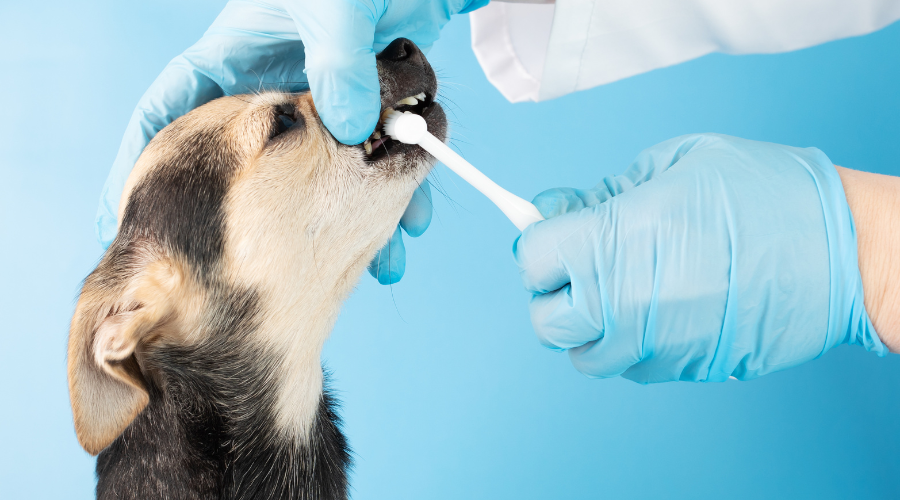
Now, what should you go for when almost every kind of ingredient seems to be harmful? Well, many alternatives are safe and mild for your pets. Even if your pets swallow the toothpaste, there will be no need to panic. Toothpastes containing plant-based ingredients are safe for pets, whether cats or dogs. Here are some ingredients that should be in the pet toothpastes you are about to choose.
Enzymes Like Bromelain and Papain
Plant-based enzymes like bromelain and papain are the best ingredients for pets’ toothpastes. They help in the treatment of inflammation, infections, and wounds. They can break down the plaque without leaving harmful effects. Even if your pets swallow these enzymes, there will be no harmful effects for them.
Coconut Oil
Another safe ingredient is coconut oil. Whether in a pet's toothpaste or in a home-made paste, it is safe. Coconut oil’s antimicrobial properties reduce bacteria, plaque, and inflammation. Its soothing effects keep the gums free of inflammation after brushing.
Does coconut oil remove plaque from a dog’s teeth?
Yes, it works as a temporary alternative. You need to find a pet toothpaste instead of just coconut oil or its paste with another home-made ingredient. The best solution for plaque is a veterinarian-prescribed toothpaste. A toothpaste has balanced ingredients with multiple functions like plaque removal, anti-inflammatory effects, and bad breath elimination.
Finely Grounded Sea Salt as Abrasive
Another ingredient that helps a lot is sea salt. Its finely ground state works great as an abrasive in the plaque removal process. Its antibacterial properties prevent pain and bacterial growth in the teeth. Since it contains various minerals, it stimulates saliva formation. As a result, pets get teeth cleaned and recover lost minerals.
Cinnamon
The last is cinnamon, which is also a good ingredient in pet toothpaste. It safely reduces bad breath and plaque. Unlike harmful ingredients, it will not cause stomach distress or irritation in the mouth. Pet toothpastes that contain cinnamon are much safer than those that contain fluoride and xylitol. Even if cinnamon is swallowed, it will be harmless for the pet.
Conclusion
Pet owners have to choose pet oral products very carefully. Some ingredients don’t seem to be very harmful, but they are. A small quantity can cause stomach distress, irritation, and even seizures in pets. As soon as they swallow toothpaste, harmful ingredients like fluoride and xylitol can cause severe trouble in pets. That could become lethal if the quantity is high and the pet owners show negligence. So, it is better to choose plant-based pet toothpastes, which are way better than the other option.
Featured Articles
Dogs are unaware of problems with their ears. Rather, they scratch their faces, shake their heads, or rub their faces on the floor. Some of the dog owners most often visit the vet for ear issues. The main point is that regular ear cleaning can help prevent many of these issues. The simplest and most effective aid for maintaining healthy ears in your dog is ear cleaning drops. This guide covers all you should know about them. The reason why Dog Ear Health is an issue The ear canal of a dog is not the same as the ear canal of a human being. It is very long, vertically curved. This depth allows moisture, wax, and debris to accumulate deep inside this shape. Bacteria and yeast can multiply quickly when they do. It causes an ear infection, which is painful and difficult to rectify when taken long-term. Some dogs tend to develop ear problems more than others. Dogs like Cocker Spaniels and Basset Hounds have floppy ears and, thus, their ear canals are not open. Of higher risk is also that of dogs that can swim regularly, or one that lives in a moist climate. This risk can be mitigated through regular cleaning with the correct drops. What Are Ear Cleaning Drops for Dogs? Ear cleaning drops are liquid substances that help to clean and cleanse a dog's ears. They act by dissolving wax and debris, killing bacteria and yeast, and drying up unnecessary moisture in the ear. They are different from ear infection treatments. An existing infection is treated with medicated ear drops prescribed by the vet. It is regularly used with cleaning drops to prevent the development of problems. The two functions can also be used together for some products, and this should be clear before integration. Ingredients to look for The composition of ear cleaning drops is very important. The formulae address various problems. Being able to know what to find out will help you select the appropriate product to offer to your dog. Gentle Cleansers The majority of ear drops contain a mild surfactant or cleaner that helps unfreeze wax and debris. The ear easily expels these materials as the dog finds it easy to shake its head after cleaning it. Drying Agents Any of the following substances can be added to the cleaning agent to dry the ear. This would be necessary, especially when dealing with dogs that swim or dogs with wet ears. With a dry ear canal, the bacteria and yeast find it very difficult to colonize. Antibacterial and Antifungal Agents There are cleaning drops containing substances that actively combat the yeast and bacteria. They can be used on dogs that keep developing ear infections. They act as an added defense without being entirely medicated therapies. Soothing Ingredients This can be through aloe vera, chamomile, or any other natural additive to reduce the irritation and soothe the skin in the ear canal. They are useful to dogs with hypersensitive ears or reddish-colored ears. Are ear cleaning drops suitable and safe for every dog? The over-the-counter ear cleaning drops are safe when used under instructions for most healthy dogs. However, dogs with burst eardrums or ear infections cannot receive drops unless vets are first convinced it is safe to do so. You should always check the ears of your dog before applying any cleaning product, in case of a serious infection. How Often to Clean Dog Ears? Dogs that swim or have floppy ears may require cleaning of their ears more often (usually every one to two weeks), as most dogs require cleaning their ears. Examine your dog's ears once a week, and clean only when you see wax or debris has accumulated. Too much cleaning may remove the natural oils and can lead to dryness; hence, clean only where there is a necessity. The Proper Usage of Ear Cleaning Drops Ear cleaning drops are effective when used correctly. It is an easy process once you get used to it. Step of Cleaning -Begin by collecting your materials, that is, the ear cleaning drops and some cotton wool or cotton gauze pads. Do not insert cotton buds in the ear of a dog because they can press debris further into the ear and lead to injury. -Hold the ear flap with your hand in place to straighten out the ear canal. Place the specified number of drops in the ear. Rub in the area at the base of the ear for about 20-30 seconds. You will hear the drops' squeal as they loosen the debris within. -Now, give your dog a shake. This causes the loose wax and debris to rise to the ear hole. Wipe out any obvious residue of the outer ear with the cotton wool. Do not go deep into the canal. -Do the same with the other ear and reward your dog afterward to create a positive connection with the process. What Signs Tell You the Drops Are Working? Your dog should have cleaner and a light colored ear after a normal cleaning. The amount of wax and debris should be minimized. The outcome should be that your dog is comfortable and does not scratch its ear. If your dog is still uncomfortable, it means cleaning doesn’t do the work. It may require a vet visit. Natural or Chemical-Based Drops Both are equally efficient, and the best of the two alternatives is based on the needs of your dog. Natural ear cleaning drops are made out of natural plant ingredients. They suit dogs with sensitive skin or who need gentle cleaning. If it is a chemical-based drop, it will usually have more powerful drying agents and microbes. They are usually better with dogs likely to have yeast accumulation or persistent wetness problems. This may involve some experimentation with a trial to determine which type to use, as some dogs are more suited to one than the other. The product should always be labeled as dog-specific. Dogs cannot have human ear drops, which may be harmful. Selecting the Right Product -Begin by considering your dog's needs. Does your dog swim? Find a product that has good drying capacity. Has your dog been infected with yeast? Select a formula that contains antifungal agents. -Read the label carefully. A good product will identify its active ingredients and provide instructions for use. When choosing the products, consider the fact that when your dog has sensitive ears, alcohol is stinging, so find something without it. -Going with brands that the vet recommends is a sure start. Most vets recommend a product for regular maintenance. A fast and basic method would be to ask your vet to recommend some. Conclusion An important but minor aspect of caring for your dog's well-being is ear cleaning. Regular cleaning of the right ear with drops may avoid infections, visits to the veterinary care, and keep your dog comfortable. A happy dog is one with a healthy set of ears, and that is always worth trying. FAQs Q1. What are ear cleaning drops for dogs as a product? Ear cleaning drops are liquid solutions designed to safely remove debris, wax, and moisture from a dog's ear canal. Q2. Where do you find a good wholesaler of dog ear cleaning drops? Find a wholesaler to carry your recommended veterinarian brands, with appropriate certifications, and with the ability to provide a reliable supply to pet stores or other clinics. Q3. What does an average dog ear cleaning drop cost? The price depends on the brand and formula, and purchasing each in large quantities from a wholesaler is much cheaper per unit than retail outlets offer. Q4. What value does using ear cleaning drops for dogs provide? Frequent cleaning will help prevent ear infections, prevent wax buildup, and keep your dog's ears clean, dry, and comfortable. Q5. What are ear cleaning drops normally used to treat? They are applied to the ears for routine care, after swimming to remove moisture, and to limit yeast growth and bacteria in a dog's ear canal. Q6. What key features should you look for in a good ear cleaning drop? Find soft cleansers, drying agents, antifungal or antibacterial agents, and an alcohol-free formula for sensitive ears. Q7. Are ear cleaning drops applicable to all breeds of dogs? Most drops are not harmful to any breed, but dogs with floppy ears or a history of infections may require a special formula. Q8. What are the overall benefits of ear cleaning drops to the health of a dog? They melt away the wax, rinse out the debris, and leave the ear canal very dry so that bacteria and yeast can hardly grow.
READ FULLPet owners face continuous issues with odor due to accidents and wet fur, and the pets' smell. It is easier to live with pets, especially when you find an efficient pet odor eliminator spray. Not every odor spray performs well, and some only cover odors in the short term. Learning what differentiates successful from unsuccessful products helps pet owners make smarter choices to resolve odor problems. Odor Elimination vs Masking Knowing the Difference True odor elimination, rather than mere masking, is the most valuable feature to seek. Most products smell like products that have a strong odor. After the scent of perfume dissipates, the initial smell returns; this will result in a cycle of re-implementation that does not cure the problem. Good-smelling removers break down the molecules that produce smells at a chemical level. They do not mask the smells but kill them altogether. Odor neutralizers, products made by enzyme action, or bacterial cultures actually remove the odors but do not mask them. How to recognize Real Eliminators Check product labels and make sure they include terms such as 'enzymatic formula,' ' odor neutralizer,' and 'bio-enzymatic.' These are products that do not cover but remove. Do not buy items reported to contain only fragrance, with no odor-fighting agents. It is noted that customer reviews of products can indicate whether they work to eliminate or conceal smells. Several reviews that mention scent recalls point to a masking product. Positive reviews that point to sustained effectiveness provide genuine abolishment. Ingredients for Pets and People Non-Toxic Formulations The pet-odor sprays are applied in areas where children and pets spend time. Severe chemicals may harm feet, skin, or lungs. Find items that are said to be non-toxic, pet-safe, or made using natural compounds. Safety organization-issued certifications are another guarantee. The ingredient list must be on the first page so the owners can look up anything they don't understand. Preventing Harmful Chemicals Animals are victims of some of the chemicals that are commonly used in cleaning products. Of particular concern are bleach, ammonia, and phenols. Topics of such substances may result in severe health issues when pets lick treated surfaces. Alternatives such as enzyme- and plant-derived formulas are safer. These are natural products that pose no threat to pets' health and effectively remove odors. The safest of the products specifically state that they do not contain any harsh chemicals. Hypoallergenic Properties There are those who are sensitive to fragrances and chemicals. Hypoallergenic formulas reduce breathing complications and allergies. Sensitive households have better use of the fragrance-free or lightly scented ones. One should avoid products that cause sneezing and coughing or irritate the skin. The non-experimental approach involves assessing the sensitivity of new products in small localities during initial tests. Performance on Various Surfaces Multi-Surface Capability Accidents related to pets occur on different materials such as carpet, hardwood, tile, upholstery, and bedding. A multipurpose scent remover can be used on all frequently used surfaces in the home. This will remove various specialized goods. Confirming the labels on the checked to ensure that the spray is safe on the target surfaces. Certain materials or damaged finishes can be stained by some of the products. Multi-surface formulas are the most valuable and convenient. Carpet and Upholstery Performance Odors get deeply absorbed in the fibers and padding of carpets and furniture. The sprays should be effective in penetrating to the sources of odors. Surface treatments only leave the material's odor. Deep cleaning products are required to go into the backing of the carpet and the padding of the upholstery. Wherever they conceal themselves, they decompose odor molecules. This extensive measure will eliminate lingering odors that will occur later. Hard Surface Use Even though the largest obstacle is carpets, hard surfaces contain odors as well. Smell molecules are trapped in tile grout, wood grain, and concrete pores. The spray must be effective on those surfaces without doing any damage or discoloration. With testing on inconspicuous locations, there is protection for valued surfaces. Odorless and less polishing products make no future surges and leave surfaces appearing first. Enzyme and Bacteria-Based Formulas How Enzymatic Action Works Natural protein enzyme-based sprays utilize decomposing organic matter, which leads to odors. Specific compounds in urine, feces, and vomit, among other biological substances, are targeted and digested with the help of enzymes. The various enzymes target the various molecules. Several types of enzymes are present in quality products to address different sources of odor. Such a thorough strategy is effective against most typical pet messes. Good Bacteria Benefits There are some sophisticated formulas that contain useful bacteria that eat offensive organic matter. These are microscopic helpers that remain invisible even after being applied. They continue to cause the breakdown of the smell sources, leaving nothing. Bacterial formulas are especially effective on porous surfaces where odors have deeply penetrated. The bacteria get to places that sprays used individually cannot reach. This renders them very good at lingering and recurrent odors. Living Formula Considerations Enzyme and bacterial products should be properly handled and stored. Extreme temperatures can reduce performance. Expiration and storage guidelines for the check to maintain the product's potency. Stain Removal Capabilities Dual-Action Products Numerous pet accidents can cause odors and visible stains. Products that eliminate odors and stains offer better value. This two-fold activity addresses both issues in a single application. Confirm whether stain removal is included or if the product addresses odors only. Others are supposed to be good at eliminating the odor but not discoloration. Other people manage both problems well. Color-Safe Formulas Stain removers should not leave new discoloration as they remove old stains. Color-safe formula washes without fading or bleaching fabric or surface colors. This is a protection of great importance with colored carpets and upholstery. Any color-changing effect is detected by testing in hidden locations. A product that successfully passes such a test may be tested on visible parts and used with confidence. Ease of Use and Application Spray Mechanism Quality An effective spray system uniformly applies the product without clogging. Stream settings can be used to apply particular applications to very small regions. Large-width spray patterns are efficient on large surfaces. The nozzles can be changed according to different needs. A quality spray bottle has great success throughout the product's life without jamming or spillage. Ready-to-Use vs Concentrate Sprays that are already ready are the most convenient. They do not need mixing and preparation. Concentrated formulas are less expensive and generate less packaging waste, yet dilution is required. Conclusion The most effective pet odor elimination sprays actually eliminate odors rather than masking them with perfumes and music, as other sprays do. A good solution addresses pet odor, not masks it, by focusing on these major features. FAQs Can pet scent eliminators be used on all fabrics? Most products work on usual household fabrics, but best fabrics like silk or wool may additionally require specialized formulas. Always check in inconspicuous areas first and check product labels for fabric restrictions. Why do some odor sprays make smells worse temporarily? Some enzyme products release additional odor molecules initially as they break down organic matter. This temporary boom disappears as the enzymes complete their work and neutralization finishes. How often should the pet odor eliminator spray be applied? Fresh accidents need immediate treatment. For general maintenance, a weekly application to pet areas prevents odor buildup. Repeat treatments may be necessary for stubborn, set-in odors until they are eliminated.
READ FULLPets get lots of grime and smell in their coats right after one or two weeks if they often go on walks. Unlike pets who mostly stay at home, many pets get dry coats because of the harsh cold. Giving them a bath is also essential, but then their coats dry out, become flaky, and develop rashes. To deal with these challenges, people need a custom pet shampoo that can meet their specific needs. Lots of kinds of pets with lots of challenges exist in this world. The only solution to precisely relieve them is a custom shampoo. If you are about to select such shampoos, here is how you should do it. Factors That will Help You Choose the Right Custom Pet Shampoo The selection of pet shampoo, whether standard or custom, has some factors. These factors specifically target the needs of pets, and if you know them, things will be easier. Using the same kind of formulation for all pets is never a wise thing to do. It requires R&D and lots of other elements like trials and tests to see the safe results. Therefore, here are some factors that can help pet owners use only the right custom shampoo. Type, Breed, and Nature of Pet The first thing is the type of pet, if the pet is a cat, dog, rabbit, or any other animal. Then comes the breed and the nature of the pet. Some breeds are mild in nature, and some are aggressive. Therefore, you need to choose the custom formula pet shampoo as per these factors. Some cats and dogs hate baths, which means you need something special in their shampoos. It could be waterless custom pet shampoo or something that can give fast results. On the other hand, if the pet is mild in nature and doesn’t panic during a bath, you can go ahead with the next step. The next step will guide you on what to look for in liquid custom pet shampoo. Coat Sensitivity and Hair Density If your pet has a normal coat, you should choose the normal formula for it. Normal pet shampoo has basic emollients that can clean the coat and leave slight moisture on it after a bath. However, if your pet has high sensitivity, such as rashes, itching, and flakes, you need special ingredients in shampoo. These ingredients are usually coconut oil, oatmeal, honey, and aloe vera. Having a custom pet shampoo with these emollients leads to a soft and moist coat. There is no risk of rashes and irritation after the bath. The same is for the hair density, which means you will have to choose a stronger formulation that can create more lather. The denser coat will need foamier shampoo for better performance. It will also reduce dryness and flakes better on such thick coats. Level of Dandruff in Pet Some pets have high dandruff, which means pet owners need an anti-dandruff formulation in shampoos. Usually, coconut oil, oatmeal, honey, and aloe vera are the best emollients that lead to positive results. Pets will have less risk of dandruff and will get a smoother coat after the bath. Dandruff occurs because of low emollients in shampoo or harmful ingredients. A custom formula pet shampoo can deal with these issues by providing the pet’s coat exactly what it needs. Does Your Pet Have Any Coat Allergy? Not only do humans suffer from eczema, but even pets also get the same problem. If your pet has any coat allergy like that, it is better to choose a custom pet shampoo that contains ketoconazole, aloe vera, oatmeal, and honey. Some, a few, or all these ingredients may be present in the shampoo to reduce eczema in pets. However, only a veterinarian can guide better by inspecting the pet’s coat, and people should visit a vet first. Many animal hospitals have custom pet shampoos to deal with such coat problems. Does Your Pet Often Get Ticks and Fleas? Again, it is better to visit a veterinarian who inspects a pet first. However, it is general advice for pet owners to choose a custom formula pet shampoo for that. It should contain anti-tick and anti-flea ingredients to eliminate those irritating creatures on the pet’s coat. Pyrethrum and essential oils are the main ingredients in anti-flea pet shampoos. These ingredients eliminate and at least reduce the ticks and fleas. Clove oil, peppermint oil, and some other types of essential oils can repel ticks and fleas in pets. Using custom shampoos that contain these essential oils can show good results. However, a veterinarian can identify which essential oil is suitable for the kind of pet you have. Frequency of Pet Bath Usually, liquid shampoos are suitable for once a month because only one or two baths a month are safe. Too frequent baths can cause rashes on a pet’s coat along with other problems. If you choose a custom shampoo of dry type, you can use it once every two weeks or even once a week, depending on conditions. Pets that often smell a lot need dry shampoo for odor elimination. That means if your pet frequently gets in mud and stinks a lot, you need a custom formulation with a dry solution. Environment and Temperature The environment and temperature type also contribute to your decision. If the climate is very hot, make sure to choose pet shampoo that contains soothing ingredients. Likewise, in cold and dry weather, you need pet shampoo with more emollients. That will reduce the risk of flakiness and dryness in pets. Common Plant-Based Ingredients in Most Pet Shampoos Pet shampoos need to provide moisture against dryness on pet coats. You need to choose pet shampoos that contain ingredients like coconut oil, oatmeal, honey, and aloe vera. These are primary ingredients that make a custom pet shampoo suitable for a pet’s coat. Plant-based ingredients are safe, and the PH level of shampoo must be near 7. Pets have very sensitive coats, which need gentle shampoos only. FAQs Where Can I Find a Custom Pet Shampoo Manufacturer? There are lots of custom pet shampoo manufacturers in the industry. Shenzhen ZeBounty Pet Hygiene Technology Co., Ltd. is one of them. You can source bulk units at wholesale rates along with customization. Are Custom Pet Shampoos Affordable? Some are affordable in the market, and you can find them available around you. If you are a retailer, there are many manufacturers who can offer discounted rates to you. One of them is Shenzhen ZeBounty Pet Hygiene Technology Co., Ltd. What Should You Avoid in Custom Pet Shampoos? Always avoid parabens, phthalates, sulfates (SLS), formaldehyde, and fragrances in pet shampoos. Whether you buy standard or custom formula pet shampoo, avoid these ingredients. These ingredients can cause irritation, allergic reactions, rashes, and lots of other problems for pets. Is a Mild Human Shampoo an Alternative to Pet Shampoo? No, do not use any human shampoo on pets. Pet shampoos are gentle and almost neutral in PH value. Since pet coats are very sensitive, even a mild shampoo can harm them. However, if there is nothing available, you can make a mixture of oatmeal and water to apply to the pet's coat. Then rinse it thoroughly. Another way is a baby shampoo, which is only in rare cases when nothing is available, and the bath becomes mandatory. How Long Should Custom Pet Shampoo Stay on the Pet? Leave it for a minute and then rinse. If it is about dandruff or allergy treatment, leave it for three or five minutes before rinsing it. Conclusion Custom pet shampoo is a unique solution for each problem regarding pets. Aggressive behavior, dandruff, eczema, and ticks are some factors why people need a custom solution. Fleas, hair density, and coat’s sensitivity are secondary reasons for that. Veterinarians know the best about the right selection of pet shampoo because they inspect pets first. Besides, people can have an idea about the selection process from this guide.
READ FULL